


 Sign Out
 View Cart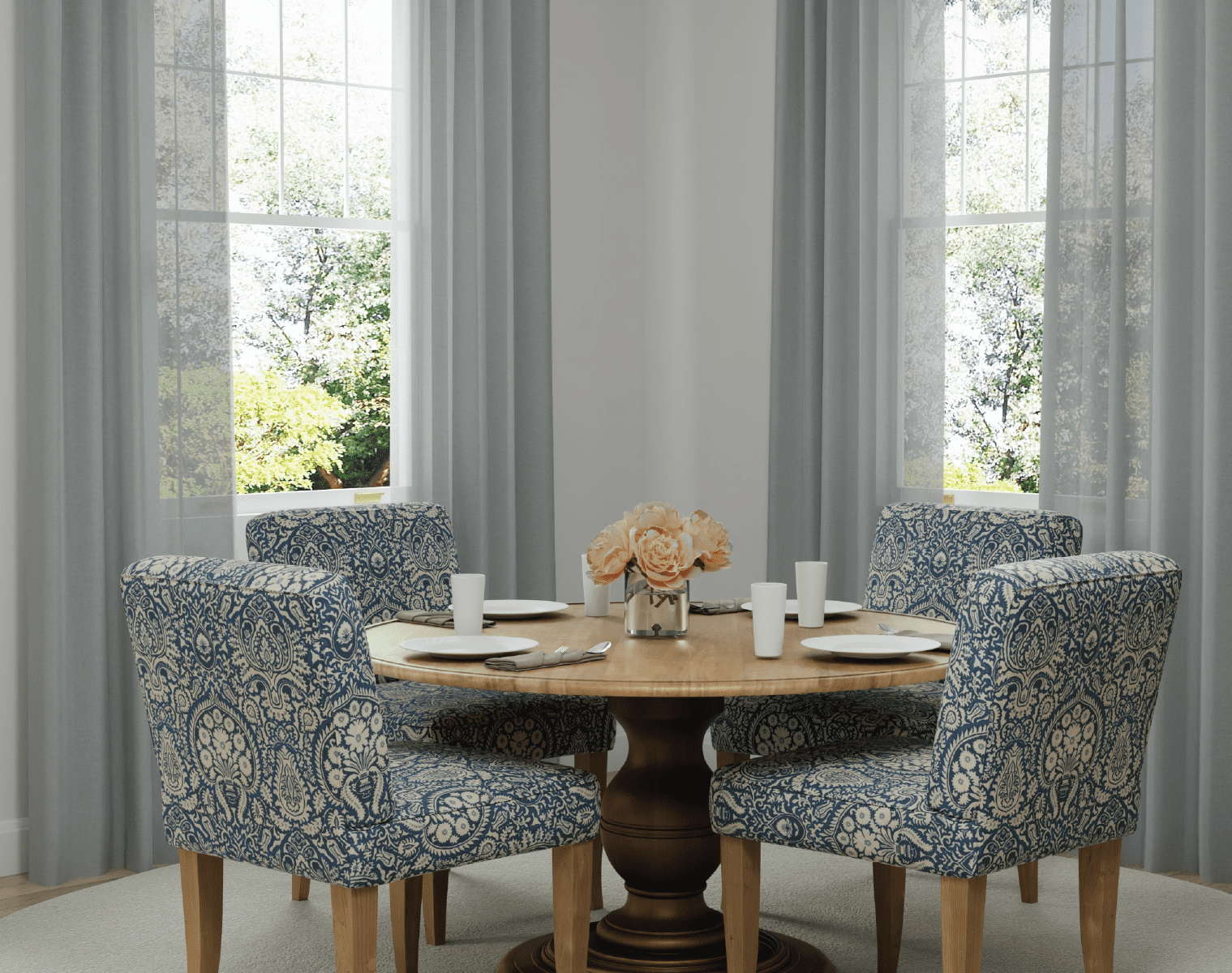
The Sheer Shop
Luxurious and Breezy Sheer Fabrics
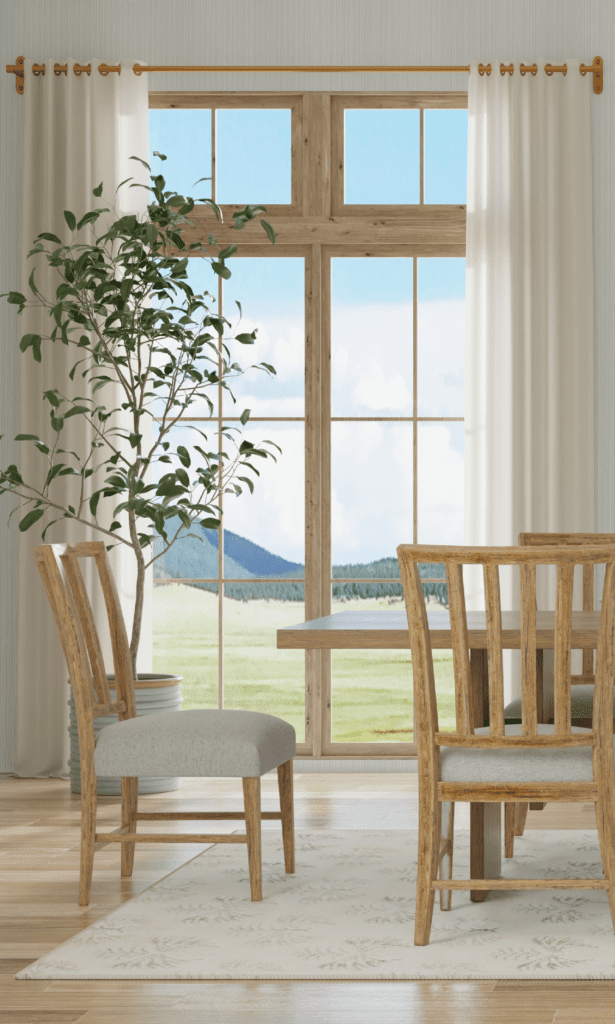
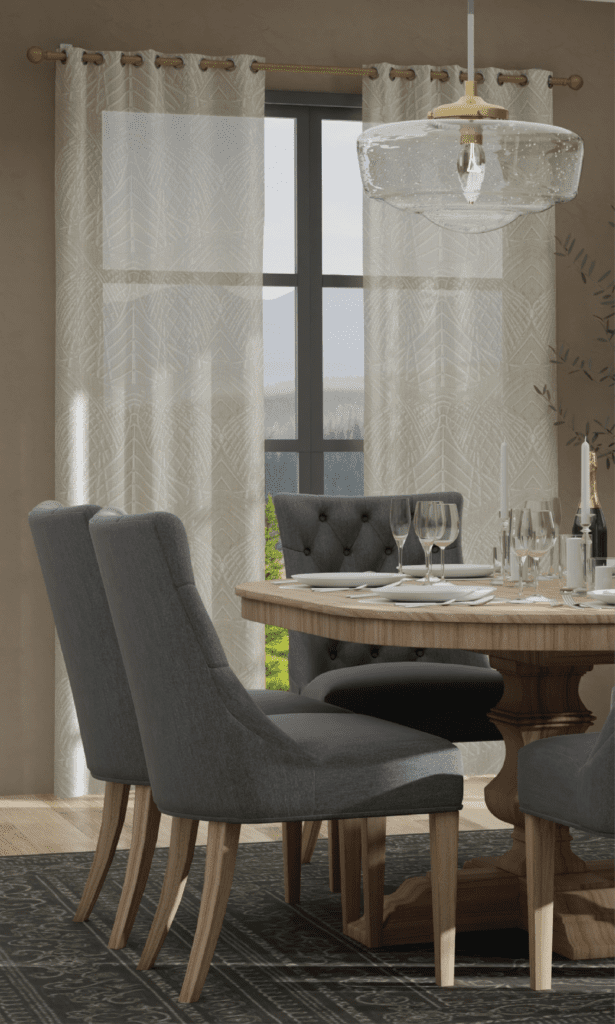
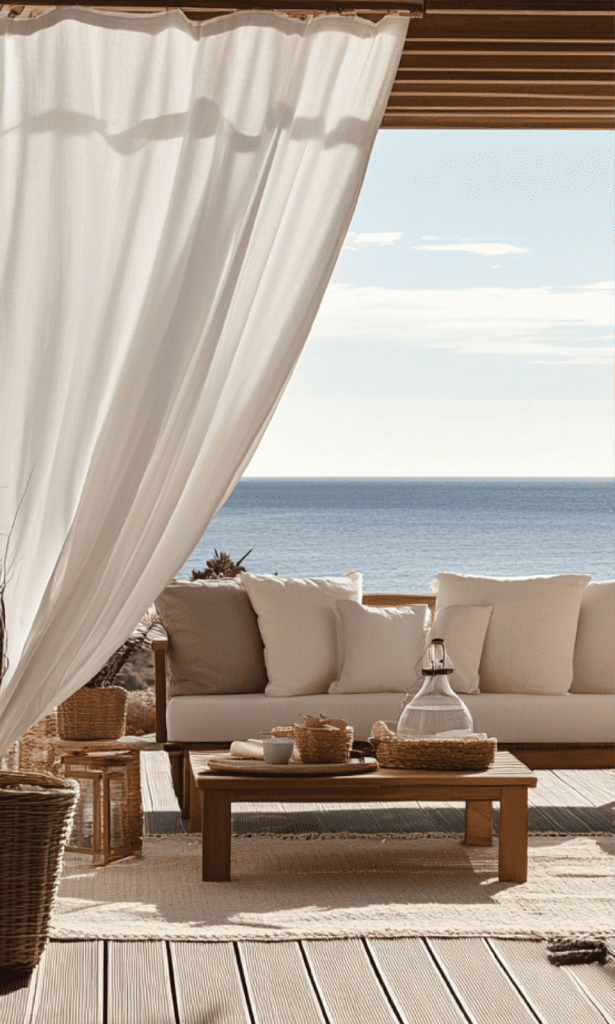
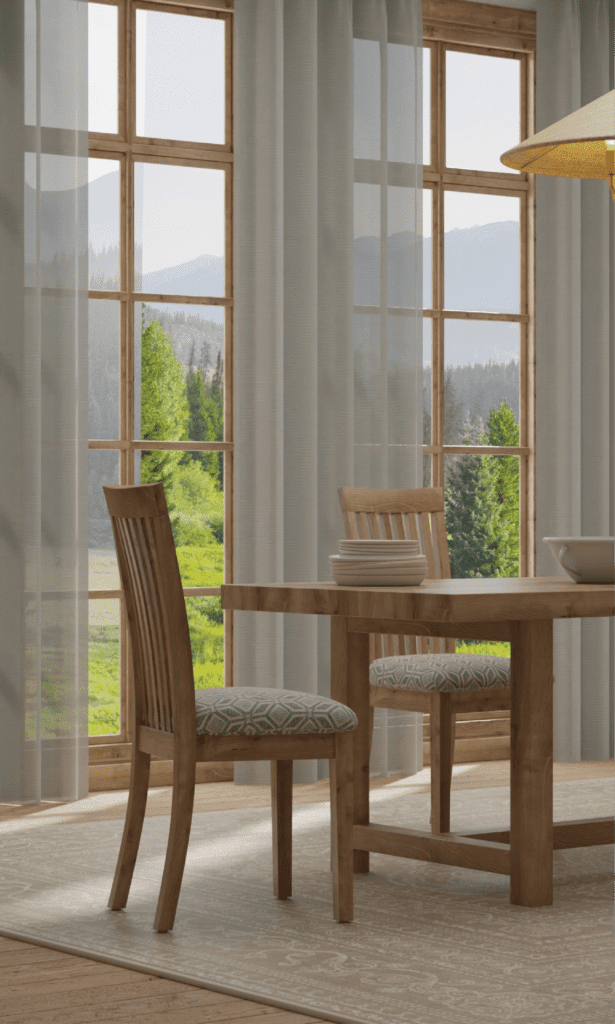
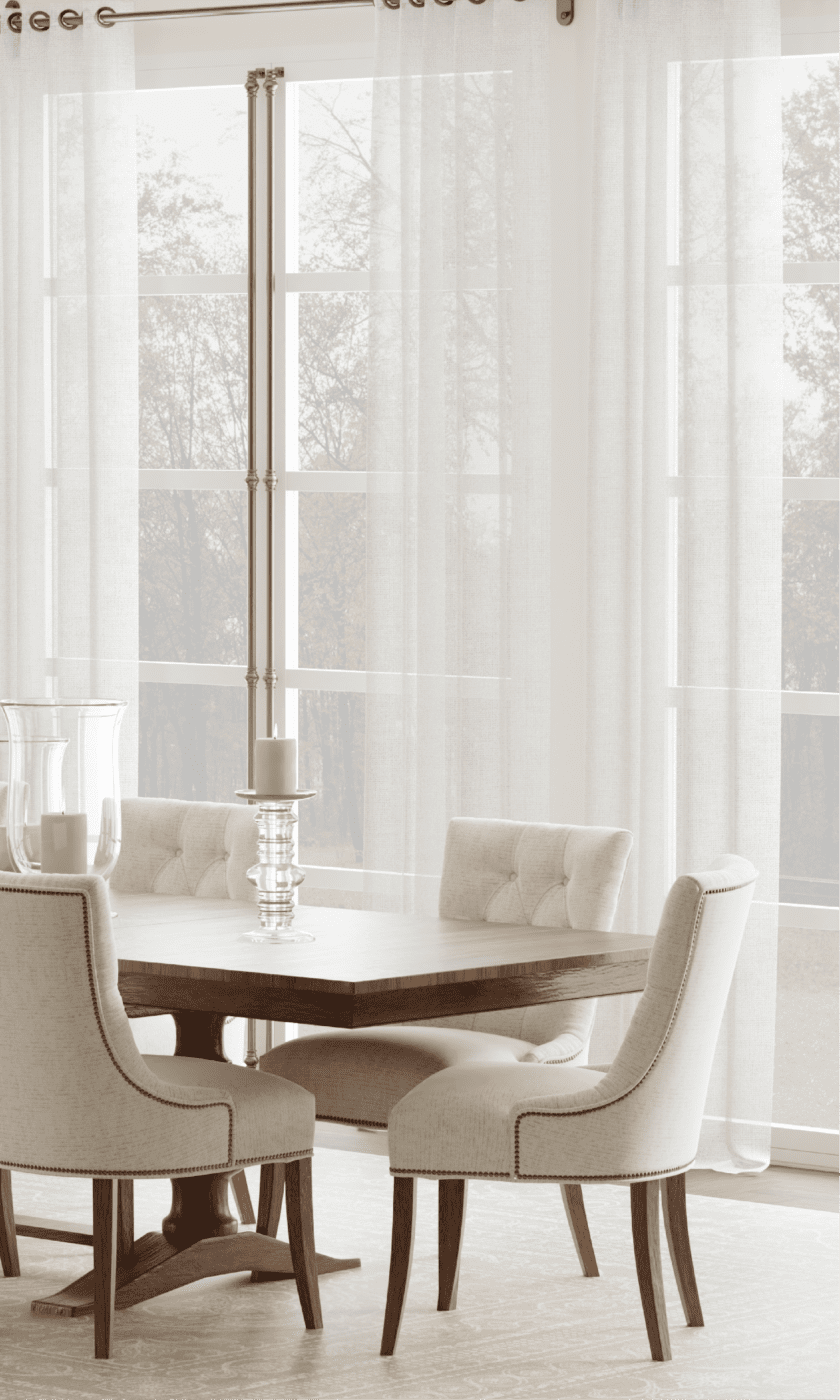
Most sheers are delicate fabrics and are not typically used to shade against the sun. In the past, sheers have been used as under draperies. Today sheers draperies stand alone in more transitional and contemporary room settings. Sheers can give a touch of elegance or add color and texture to an otherwise plain room.
Sheer fabrics are made from transparent, lightweight materials that create wonderful light filters. Sheers still allow sunlight to enter a room, but the fabric acts as a light diffuser, which softens the natural light. Sheers can also help hide unsightly views. They also provide measurable protection for furniture, fixtures, and flooring by shielding them from the full force of direct sunlight.
Sheer draperies also add daytime privacy to the rooms of a home. While they do not shut out daylight from a residence, they do add a layer of insulation from outside observation. When sheers are used as under draperies in a layered treatment, it will help provide privacy during daylight hours and the over drapery will add privacy during evening hours.
Sheer draperies provide softness, texture, and movement to a room setting. Sheer panels offer the perfect transition between indoor and outdoor spaces. Sheer drapery treatments enhance a room’s ambiance through the softening of incoming light and hard framing around windows and help to create the illusion that a room has additional height. When windows are open and a breeze is blowing through, the movement of the sheers can also provide a stylistic touch and a calming effect.
Selecting the right color of sheer fabric for a specific room setting can sometimes be a little frustrating. Often, this is because the fabric being considered is viewed as a flat sample. The color of sheer fabric will deepen when gathered, so it is always best to crumple the fabric swatch to see the most accurate representation of the color. Hold the folded fabric up to a window for even more accuracy. Sunlight will visually lighten the color as well. If a colored sheer is being considered, remember that the light coming into a room will be filtered through the colored sheer producing colored light in the room.
Sheer draperies are used in both residential and commercial settings.
The primary difference between residential and commercial sheers is the finish required for fabrics used in contract settings. Any draper/sheer fabrics specified for commercial environments must be certified to pass NFPA 701 testing. This is a vertical flame test, and Fire Marshall will require a certificate stating that the fabric has passed this test.
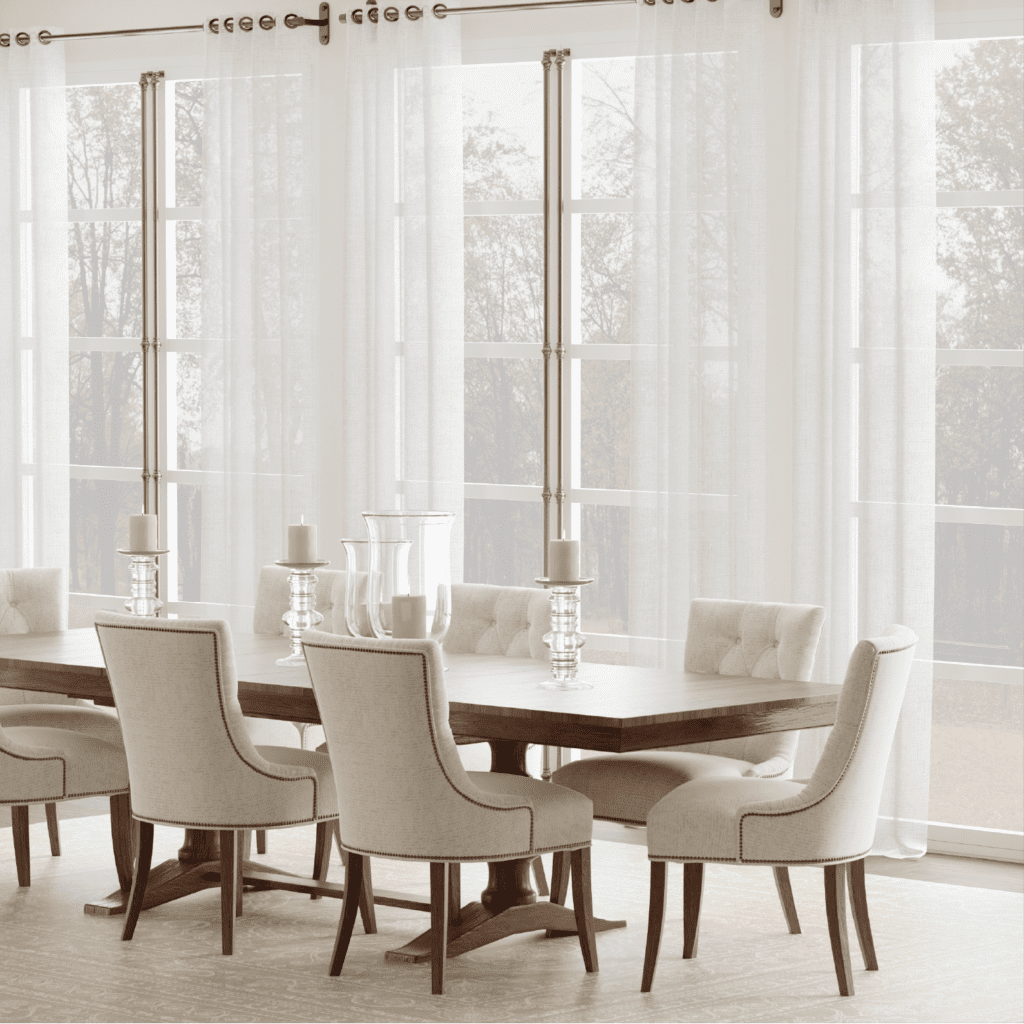
Sheer Brilliance
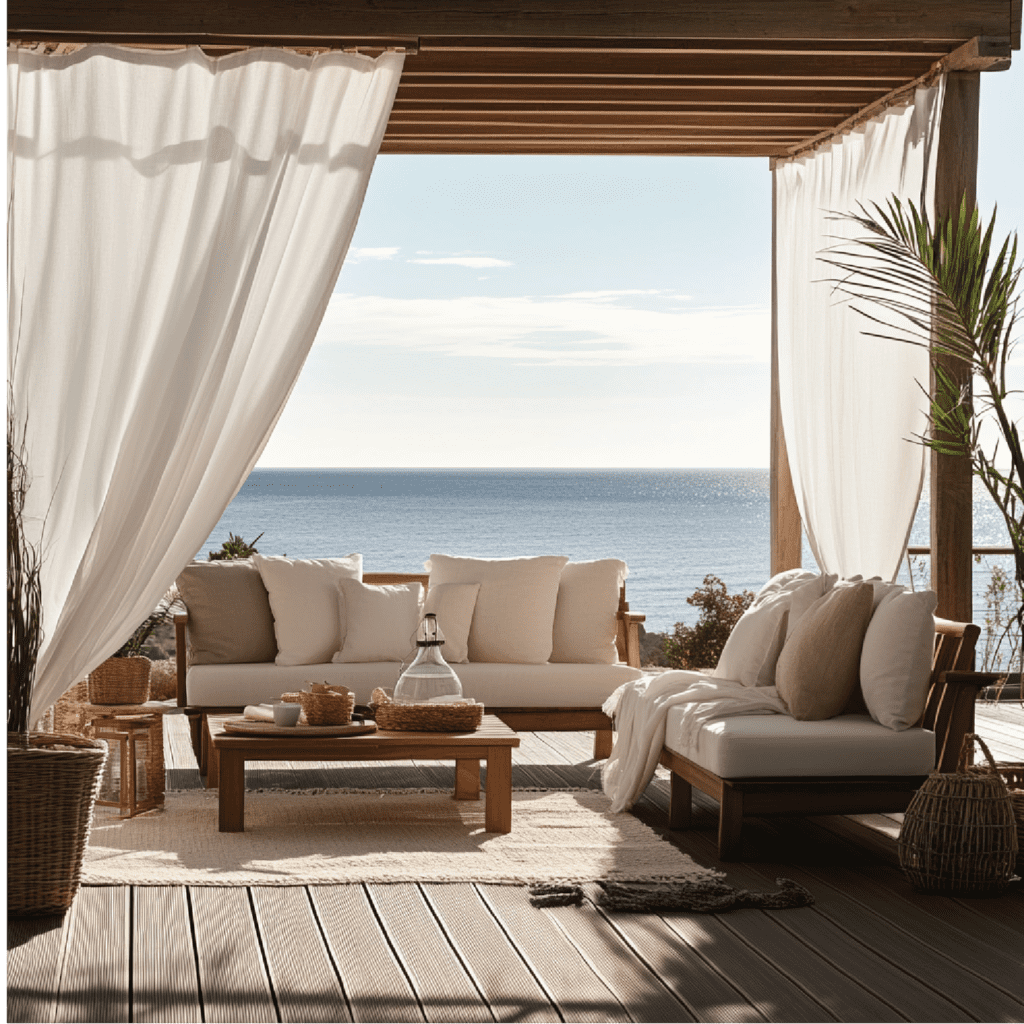
Soleil Performance Sheers
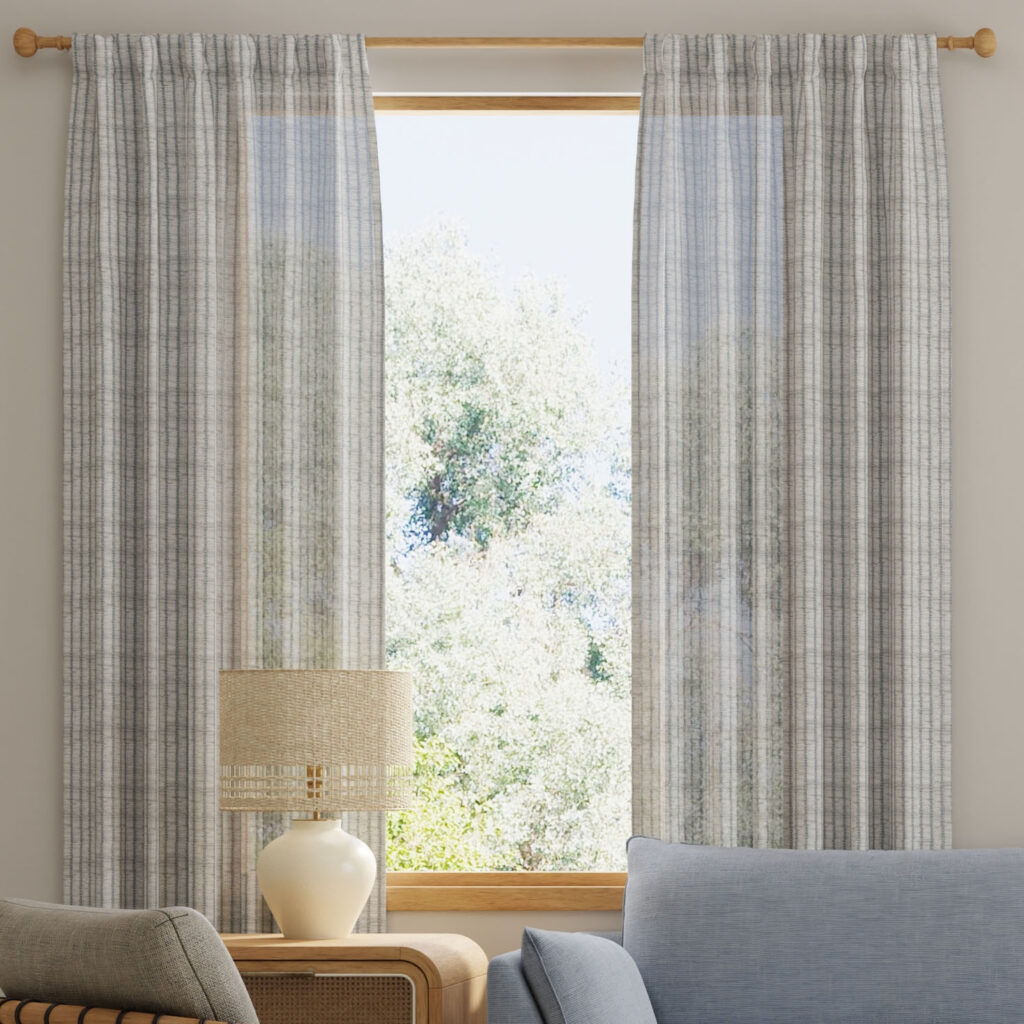
Coastal Views
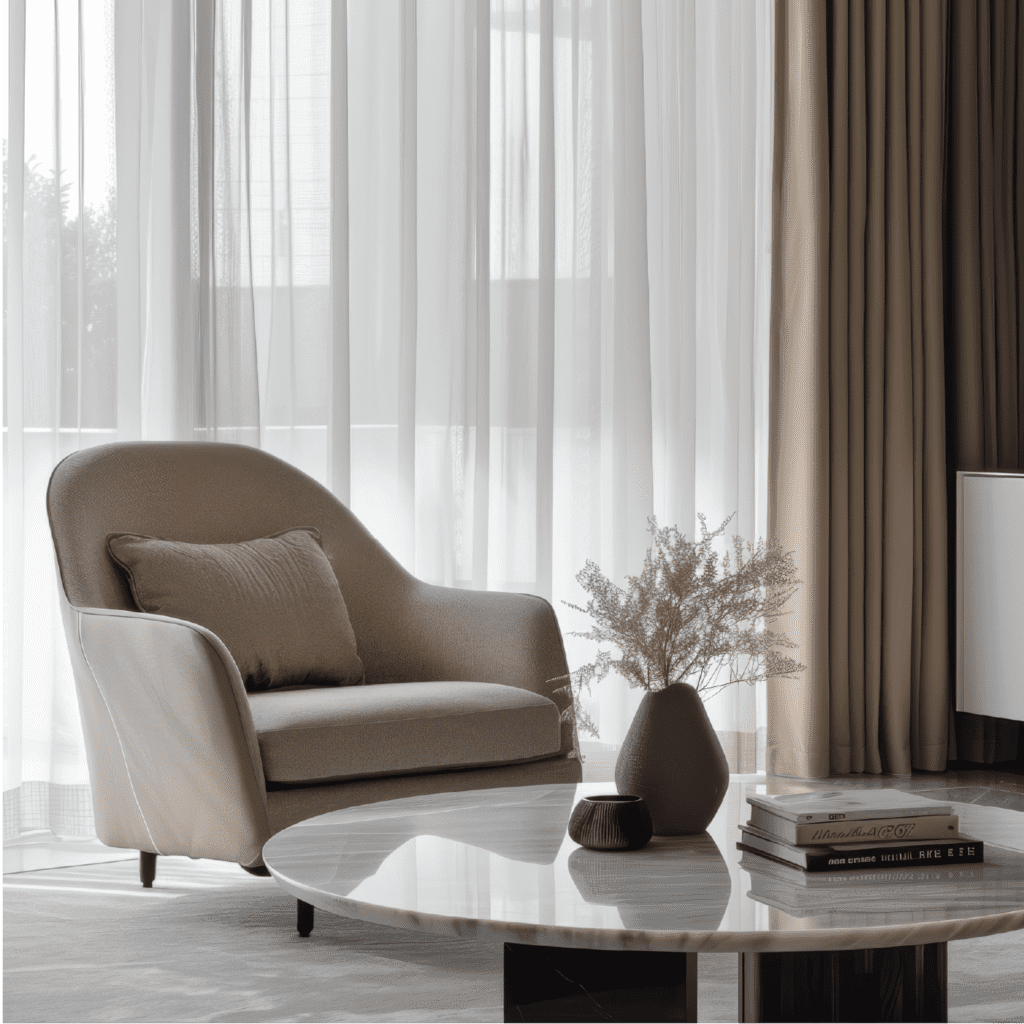
Classic 130" Wide FR Sheers
RM COCO’s Soleil Performance Sheers is a stunning collection of versatile drapery sheers designed for both indoor and outdoor living. Crafted from solution-dyed acrylic yarns, these sheers offer exceptional durability, colorfastness, and resistance to the elements.
RM COCO’s newest waterfall collection, featuring 42 SKUs of wide-width sheer and semi-sheer drapery patterns. Designed with a wispy, transitional aesthetic, this collection evokes the breezy elegance of coastal living. Each fabric flows effortlessly, offering soft texture and subtle movement, perfect for creating serene, light-filled spaces.
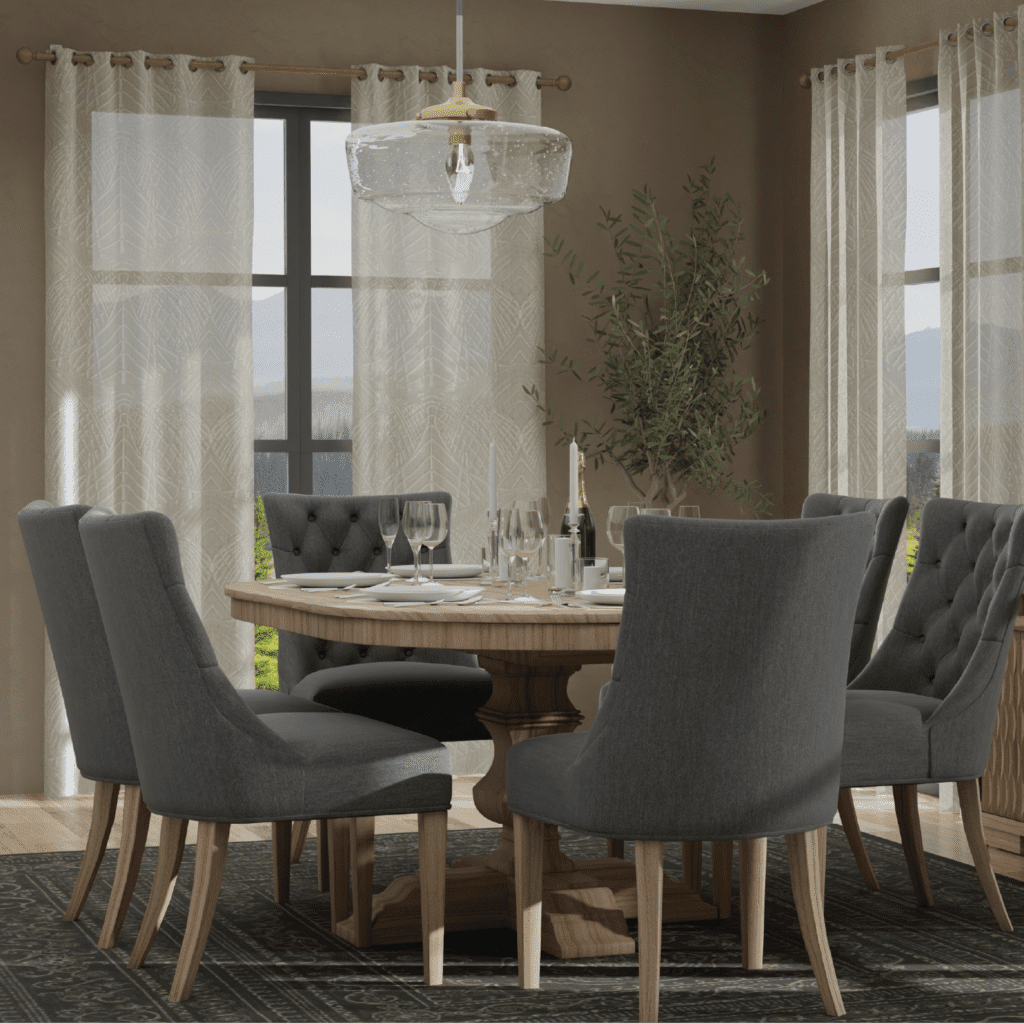
Ports O' Call
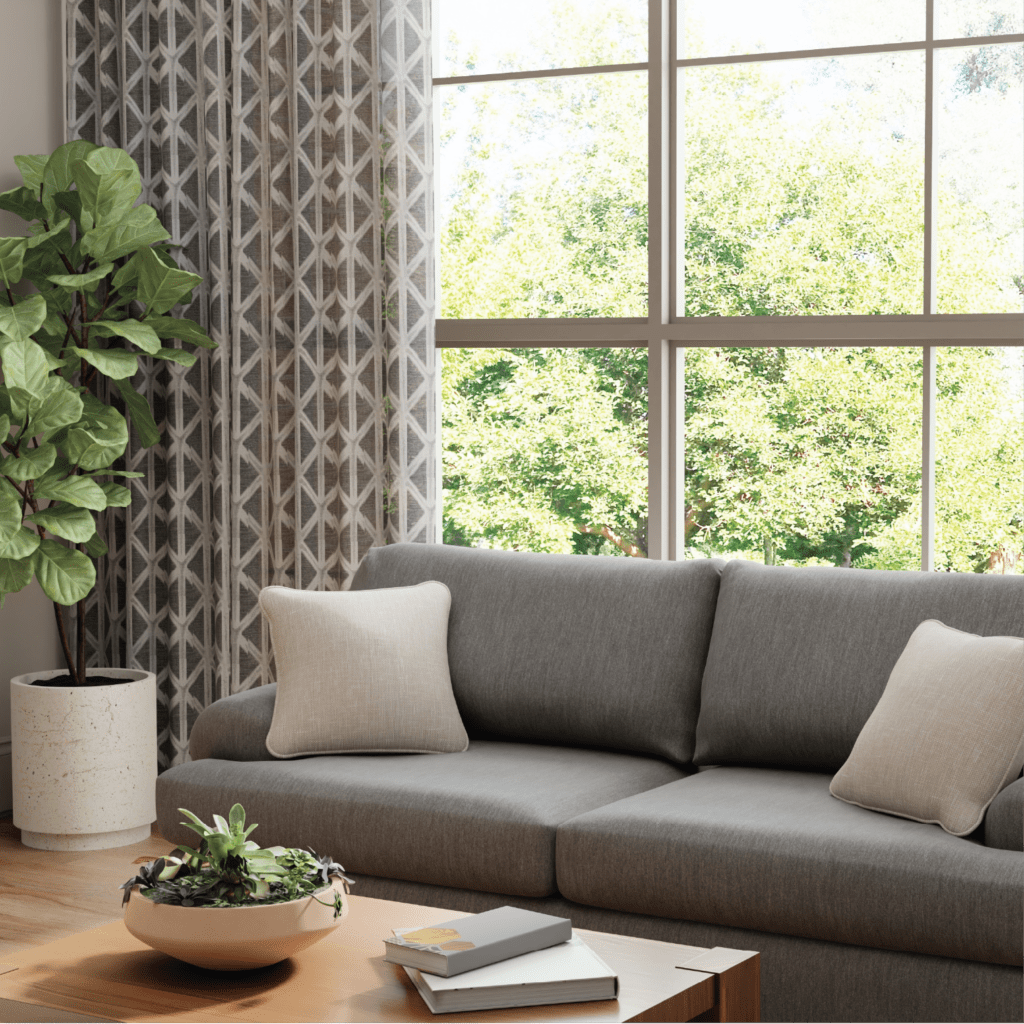
Window Dressing II

Sheer Perfection
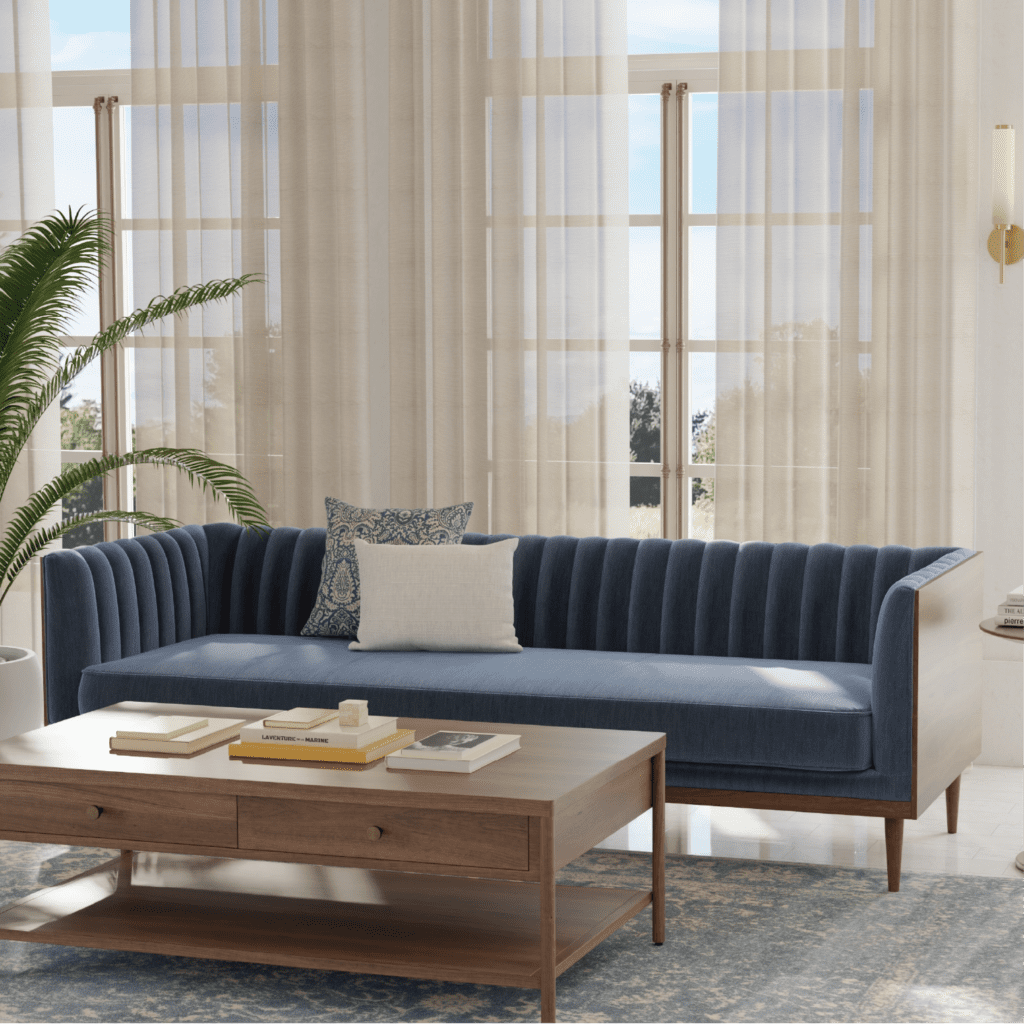
Room With A View
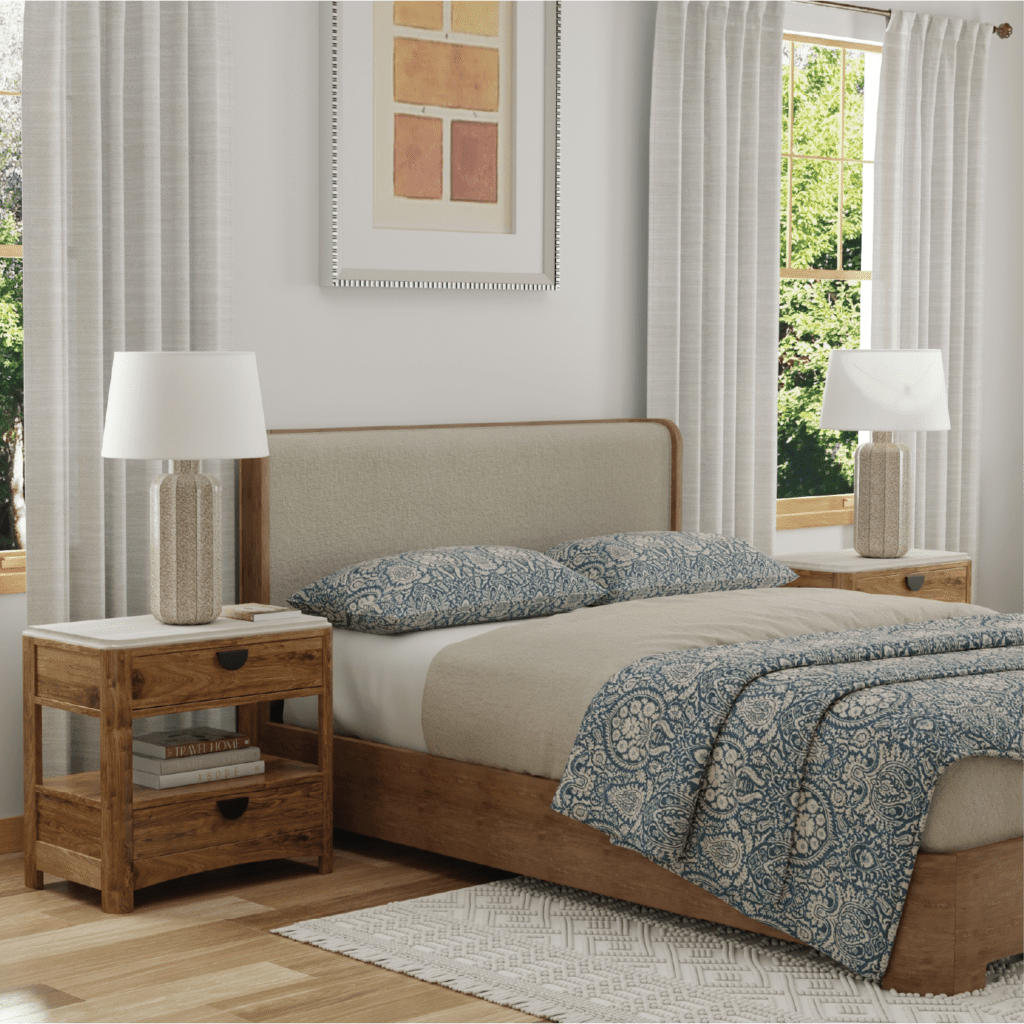
Summer Breeze
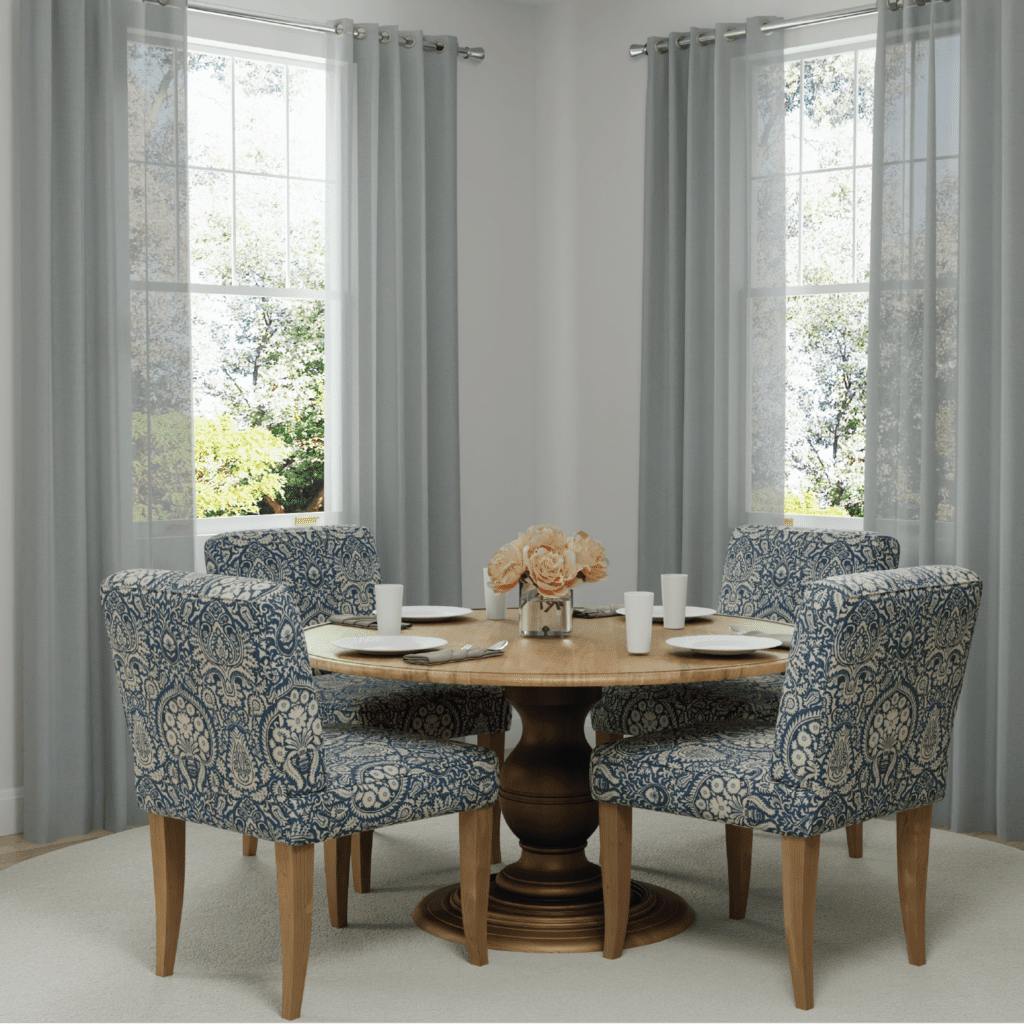
Gossamer
RM COCO’s Summer Breeze collection includes four classic drapery fabrics. Each handsome pattern offers understated tonal motifs, and a rich assortment of color palettes making Summer Breeze a must-have collection for any designer’s library.
This linen-blend drapery texture is the perfect solution for contemporary, transitional and traditional room settings. This wide-width fabric blends polyester and linen together to create this elegant sheer fabric. Gossamer is an RM COCO exclusive, and is available in twenty-seven fashionable colorations.
Sheer Q & A
What is a Euro hem?
A Euro hem is a beaded weight tape sewn into the bottom of sheer fabric as a hem. Euro hems add weight to the bottom of the sheer preventing flaring and excess movement in breezy environments. Euro hems also help train the folds of the panel so that it operates or functions better. Euro hems not only add a contemporary look to sheer panels, but they can also solve workroom issues when sewing open-weave, mesh and gauze fabrics. Euro hem fabrics help lower the labor cost of many drapery treatments because the bottom hem is already in place.
What is a burnout sheer?
A burnout sheer has its pattern chemically etched into the base fabric of the sheer. Burnout fabrics can be achieved on a synthetic ground fabric or a blended fabric (cotton/poly for instance). A fabric’s pattern is created by applying a chemical to slightly dissolve one fiber in the cloth. In order to create the ‘burnout’ pattern, a chemical gel containing sodium hydrogen sulphate is applied to the fabric dissolving away the cellulose-based fibers and leaving behind the protein-based fibers, which are not affected by the chemical.
What is the difference between sheers and casements?
As with sheers, casements allow light into the room but usually less than sheers. Casements are typically more loosely woven than sheer fabrics. They employ thicker yarns creating a heavier texture and appearance than sheer fabrics. Casements are semi-sheer and usually come in light natural colors, but are also available in darker shades. Casements absorb some sound and make rooms a little quieter. They soften architecture (but do not hide it) and add a sensuous feeling to the room without removing all of the light. When closed, casement draperies will give more privacy than a standard sheer. Casements are typically produced in 54” widths, but wide widths are also available.
Are there special considerations for sheers that are linen/linen blends?
Linen is made from the flax plant (known as one of the strongest natural fibers in the world). Flax fibers are very long creating a durable fabric with longevity. Although linen can be crisp to the touch, the more it is handled the softer it becomes. This softness happens when the fibers actually bend and break. This is what produces the wrinkles for which linen and widely known.
Linen is a hollow fiber; it stores moisture in this hollow. When the air is dry, the hollow core empties, and the fiber shrivels up a bit as the thread “shrinks” when the air is humid, the hollow absorbs water and “grows.”
When using linen some pros and cons must be understood. Linen is a beautiful fabric that can be made into stunning window treatments and is used in drapery panels and roman shades. Most people know that linen wrinkles. What many do not realize is that linen loves water. It can gain up to 20% moisture before it even feels wet! Humidity is not a friend to linen when used in window treatments. In the presence of humidity, it soaks up the water into the cellulose fibers and can stretch. In the absence of humidity, the fibers constrict. The finished length of pure linen panels can change with the seasons. This movement can be frustrating for homeowners and fabricators.
Are all 100% polyester sheers fire retardant?
No, and there is a great deal of misunderstanding regarding this subject. Polyester yarns “melt” rather than ignite when exposed to flame. Because of this, many assume polyester fabrics are fire retardant, however, this is not the case. Many synthetic fabrics will not pass the NFPA 701 test.
When the liquid solution used to make polyester has FR chemicals added ahead extrusion, the resulting yarn is considered inherently flame retardant. Fabric produced from these yarns will remain FR for life.
Non flame retardant fabrics can be topically treated to make them pass FR testing, but topical treatments dissipate over time. The actual length of time a treatment remains effective will vary based on the number of times the drapery is dry-cleaned and the environmental conditions in the location where the drapery is used. All topically treated fabric should be re-tested annually. When re-treatment is required, it should always be performed by a qualified professional. Fabrics treated to be FR must be dry-cleaned with a non-liquid cleaning.
What do the terms narrow-width and wide-width mean?
Today, narrow-width sheers are generally 54”-60” wide and are woven “up-the-roll”. Narrow-width fabrics until the late 1970s were as narrow as 36” wide. Wide-width sheers are generally 108”-130”. Typically, these sheers are woven railroaded and are meant to be “turned” to create a seamless appearance. (Some European fabrics are woven wide-width and are not woven railroaded).